Whether you're just starting your vinyl collection or have been spinning for years, the right turntable makes all the difference. We've selected the best options for every budget.
Discover our selection of turntables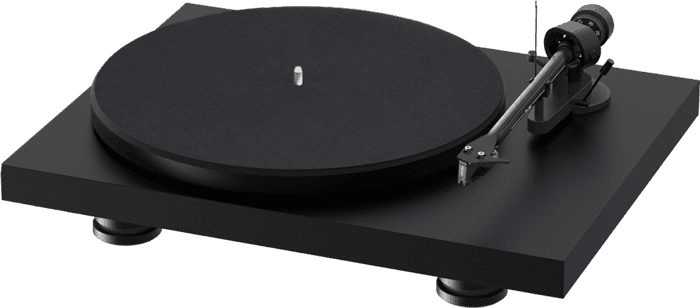
4.0
Average of 4 reviews
2
0
2
0
0
Whether a review is positive, negative, or neutral, we always publish it. However, we screen every review to ensure it is authentic and free of profanity. These checks happen automatically, though a human occasionally steps in. We never pay for reviews.
I'm after the first pressing with 'BLUE NOTE RECORDS • NEW YORK USA' on the label. If you've got one, let me know, I'm interested in buying it.
I'm looking for the first pressing with "BLUE NOTE RECORDS • NEW YORK USA" on the label. If you have it, let me know, I'm interested in buying.
The Empty Foxhole has often been labeled as one of the most peculiar and challenging albums to emerge from the Blue Note catalog, with this ensemble delivering neither the smoothest nor the most cohesive work out there … although, in today's diverse musical landscape, this 1966 release is garnering increasing recognition for its polytonalities, or perhaps the absence thereof, as both aspects are apparent. In music, polytonality refers to the simultaneous occurrence of two or more contrasting tonalities or keys, which are the interrelated sets of notes and chords used in a composition. Typically, this is a deliberate and thoughtful process, reflecting the simultaneous expression of multiple ideas. However, this can be quite disorienting for most listeners, as when presented with equal strength, people's minds tend to become conflicted and lost, unable to discern a clear musical path. Denardo Coleman has now been crafting his unique drumming style for over fifty years, but at the time, he was only ten years old and had been playing for just four years. While technically sound, there always seemed something slightly amiss about this album, with Freddie Hubbard remarking that Denardo sounded like a little kid playing around on the drums, while Miles Davis didn't even comment on the drumming but focused on the fact that he thought Don Cherry was playing trumpet instead of Ornette Coleman … so it's easy to see (hear) that even master jazz musicians' focus was fractured, meaning that what most listeners take away is a sense of defined, though perhaps not strategic, layering. While many argue that the drumming brings the album down, it's this very drumming that stands in stark contrast to Charlie Haden's bass, showcasing why this man has always been at the top of his game, able to step in if things seem to go off course. This reviewer suggests that he did feel things were veering sideways at times but was able to step in, maintain impeccable time, even amidst a solo, providing support for Denardo's drumming and maintaining an interplay with Ornette that propelled the music forward. If I were to point out a single drawback, it would be Denardo's lack of drumming experience, where, while he manages to keep good timing, his backbeat lacks counterpoint, his drumming is nearly matter-of-fact, he hits the skins with the same volume throughout, having yet to learn or perhaps understand that drumming nuances are developed over years, like fine wine. Remember, this was Avant Jazz, and with such music comes the need for those nuances, not just in the drumming, but in the cymbal work and the use of additional effects, things like a cowbell, which adds flavor and texture. Yet, while Denardo can't seem to keep the melody ever-present, there's a real charm in hearing these two older cats play around what Denardo is laying down in a manner that had one not been aware that a ten-year-old was holding down the drums, one would instantly point to this characteristic as brilliantly open-minded and a structural surprise. And interestingly, perhaps Ornette and Haden heard Denardo's drumming as an effect, that Denardo with his inexperienced drums was an instrument creating its own sound like any brass or woodwind, hearing his sounds not as a band member, but simply for what it was, an ethereal vision to be surrounded by their years of experience, using Denardo as the focal point for the Avant Jazz rising here. The Empty Foxhole is a zigzagging experience to say the least, and I'm not going to claim that Ornette's use of the violin, which he only recently began using and had not perfected, puts this release in the realm of an accidental masterpiece, one that I seldom listen to other than in small doses, yet still enjoy due to the focused interplay and support … three cats moving each other forward and across the finish line. *** Brilliant unplayed Estate Sale find! Review by Jenell Kesler
Many folks reckon that "The Empty Foxhole" is one of the quirkiest and hardest-to-digest albums to ever emerge from the Blue Note catalog. This crew of musicians didn't exactly whip up the smoothest or most cohesive album out there. But hey, with today's musical landscape, this 1966 drop is getting more and more buzz for its polytonalities, or maybe the lack thereof, because both sides are pretty clear. So, in music, polytonality is when two or more different keys or tonalities happen at the same time. Usually, this is intentional and thought out, showing off two or more ideas at once. But this can be pretty jarring for most listeners, because if both are strong, people's minds can get all tangled up, struggling to follow a clear musical path. Denardo Coleman's been laying down his drumming style for over half a century now, but back then, he was just a kid of ten, with only four years of playing under his belt. And while the drumming is technically sound, something always felt a bit off about this album. Guys like Freddie Hubbard said Denardo sounded like a little kid messing around on the drums, and Miles Davis didn't even comment on the drumming, just thought Don Cherry was playing trumpet instead of Ornette Coleman. So, it's easy to see (or hear) that even master jazz musicians were thrown off, meaning most listeners are left with a sense of definite, though maybe not strategic, layering. Sure, many folks insist the drumming drags the album down, but it's that very drumming that stands in sharp contrast to Charlie Haden's bass, showing why this guy's always been at the top of his game. He could step in when things seemed to go sideways, keep impeccable time even mid-solo, backing up Denardo and keeping that interplay with Ornette going strong. If I had to pick one downside, it'd be Denardo's lack of experience. He keeps good time, but his backbeat lacks counterpoint, his drumming is pretty straightforward, same volume all the way through. He hadn't yet learned or maybe understood that drumming nuances take years to develop, like fine wine. Remember, this was Avant Jazz, and with that comes the need for those nuances, not just in the drumming but in the cymbal work and extra effects, like a cowbell, which adds flavor. Denardo might not keep the melody going, but there's a real charm in hearing these two older cats play around what he's laying down. If you didn't know a ten-year-old was on drums, you'd think it was a brilliant, open-minded structural surprise. And maybe Ornette and Haden heard Denardo's drumming as an effect, like another instrument, something ethereal to surround with their experience, using him as the focal point for the Avant Jazz rising here. "The Empty Foxhole" is a zigzagging experience, no doubt. I'm not gonna say Ornette's use of the violin, which he'd just started playing and hadn't perfected, makes this an accidental masterpiece. It's one I seldom listen to all the way through, but still enjoy in small doses for the focused interplay and support. Three cats moving each other forward and across the finish line. *** Brilliant unplayed Estate Sale find!
We don't have a live price right now, but stock fluctuates daily. You can check for hidden stock on Amazon directly, or let us alert you as soon as it is available.